
The Benefits of Arts-Based Learning in Primary Education
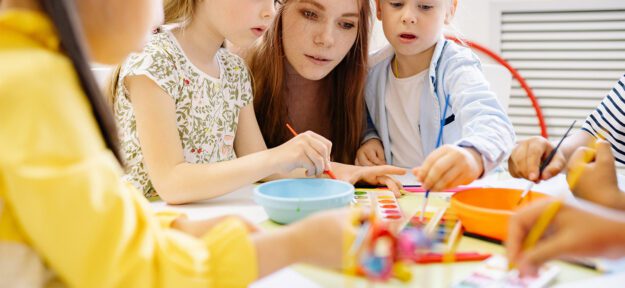
Arts education fosters a life-long interest in culture, improves academic performance and creates career opportunities.
The study of art enables pupils to understand, appreciate and contribute to a dimension of life that expresses human innovation, imagination and thought, in a way that A.I. cannot.
What is arts-based learning?
Step into a classroom where arts-based learning brings lessons to life. Children are out of their seats, fully immersed in discussing the best dance moves to embody the heroes and villains in their stories. Laughter peals from down the corridor as children hurl dramatised Shakespearean insults at one another. Whilst in the hall, the bubble of conversation floats from the pop-up art gallery where parents have come to admire their children’s space-themed masterpieces.
This is the vibrant learning environment created by arts-based learning. Beyond standalone art, music, drama and dance lessons, it integrates these creative forms throughout the curriculum. When children act out stories in English, dance scientific processes in Physics, or paint geometric shapes in Maths, artistic engagement becomes a gateway to deeper learning across subjects.
Exploring the role of arts-based learning
The World Economic Forum says creativity is the second most important skill a young person needs to succeed in the future job market. But many children, especially those facing disadvantages, only get to explore creativity and culture in school. Making art, music, drama, and dance part of the school day gives every child a chance to develop creativity. It also builds other top skills like resilience, flexibility, empathy, motivation, and leadership. These matter for every child’s future, and ensuring disadvantaged children develop these skills during the school day offers an opportunity for schools to level the playing field.
1. Creativity and Imagination
Arts-based learning encourages children to think creatively, be brave, explore new ideas, collaborate, and take the lead. When children explore painting, drama, dance and storytelling, they learn to innovate. This hands-on exploration empowers children to experiment with their own ideas and develop new techniques. The freedom to create gives children a greater sense of ownership over their learning. It boosts their motivation and helps nurture creative thinkers and problem solvers.
2. Boosting Academic Performance
For children who struggle with traditional classroom learning, arts-based learning can be a pivotal point of change. It not only draws these children into creative activities but also gets them more involved in their overall learning. This approach boosts attendance, brings the class together, and reveals hidden talents. It’s especially helpful for disadvantaged children and those with special educational needs or social and emotional challenges.
3. Enhancing Emotional Intelligence
Creative expression is essential for children to understand and share their feelings. When a
child acts out a story through drama, dances to music, or paints, they are exploring their inner world. They learn to recognise and articulate emotions like happiness, sadness, and anger. Expressing these feelings creatively helps children process and cope with them, gain self-awareness and build resilience. Most importantly, creative expression lays the
foundation for empathy, compassion, and emotional skills essential to children’s development and well-being.
4. Encouraging Collaboration and Communication
Lots of creative activities require children to work in groups often with children they don’t usually work with. When children learn to work in teams, listen to others’ ideas and articulate their own thoughts and feelings new friendships can bloom and we’ve seen first-hand that this can increase general happiness within the classroom. These interpersonal skills are fundamental not only in school settings but also in future workplaces and social environments.
Join us in helping to deliver the support schools need to create arts-based learning. Together, let’s empower young minds to create a brighter future.
This above text is shared with thanks to & permission from a blog by
Ella Breen at the 'Delight' charity.